May 3, 2010, 3:51 pm
Bubble Denial
バブル否定
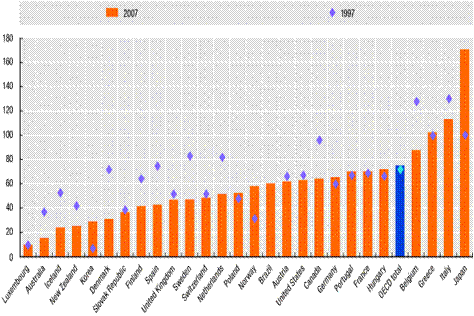
Via Ryan Grim and Matthew Yglesias, some seriously disturbing Fed transcripts. Basically, back in 2004 staff members presented data seriously suggesting a housing bubble; not only were the data disregarded, Greenspan wanted no hint of the discussion made public:
Ryan GrimやMatthew Yglesiasによると、非常に怪しいFedの写しがある。2004年には、何人かのメンバーが、住宅バブルを深刻に示唆するデータを提出していた。そのデータは無視されただからではなく、グリーンスパンは公に議論される気運すら求めていなかった。
We run the risk, by laying out the pros and cons of a particular argument, of inducing people to join in on the debate, and in this regard it is possible to lose control of a process that only we fully understand.
我々は、議論に参加する人を招いて、賛否両論を並べることで、リスクを取っていた。この際に、抑えがきかなくなるんではないかということを理解することが可能であった。
Can’t have outsiders joining in on the debate, can we? Hoo boy.
部外者が議論に参加することができた??バカな。
A technical note: those charts would have been even more striking if the staffers had differentiated by regions; big contrast between Flatland and the Zoned Zone, with the latter much more clearly in a bubble.

0310 Who Do You Love, Part I
March 10, 2010, 3:26 pm
Who Do You Love, Part I

Just when you think you’ve seen it all: Bob Corker goes to bat to prevent a 36 percent interest rate cap on payday loans:
W. Allan Jones, who started Check Into Cash, in Cleveland, Tenn., in 1993, has been a longtime friend and supporter of Mr. Corker’s. The company says it is now the country’s third-largest payday-lending chain, with 1,100 stores in 30 states. Payday loans are short-term, high-interest loans — typically 400 percent on an annualized basis — to help borrowers cover expenses until their next paycheck. Many take out more loans, digging themselves deeper into debt.
Mr. Jones, his relatives and his employees have given money to Mr. Dodd, Mr. Shelby and other members of the Banking Committee, but have been particularly active donors to Mr. Corker, records show. They have contributed at least $31,000 to his campaigns since 2001, when he was running for mayor of Chattanooga.
Who Do You Love, Part I
Just when you think you’ve seen it all: Bob Corker goes to bat to prevent a 36 percent interest rate cap on payday loans:
W. Allan Jones, who started Check Into Cash, in Cleveland, Tenn., in 1993, has been a longtime friend and supporter of Mr. Corker’s. The company says it is now the country’s third-largest payday-lending chain, with 1,100 stores in 30 states. Payday loans are short-term, high-interest loans — typically 400 percent on an annualized basis — to help borrowers cover expenses until their next paycheck. Many take out more loans, digging themselves deeper into debt.
Mr. Jones, his relatives and his employees have given money to Mr. Dodd, Mr. Shelby and other members of the Banking Committee, but have been particularly active donors to Mr. Corker, records show. They have contributed at least $31,000 to his campaigns since 2001, when he was running for mayor of Chattanooga.
0301 A Great Failure
March 1, 2010, 3:59 pm
A Great Failure
Via Mark Thoma, the trillion-dollar gap:
マーク・トーマによると、1兆ドルのギャップ

It’s crucial to realize that the trillion dollars’ worth of goods and services we could have produced this year, but won’t, is a loss we’ll never make up. And that doesn’t count the suffering and damage to our future inflicted by the non-monetary costs of mass long-term unemployment.
今年創出されたであろう商品およびサービスの価値は1兆ドルほどであったが、この損失は二度と取り戻すことができないものだという認識を持つことは重要だ。 しかも、それ(1兆ドルの損失)には、大量の長期失業にかかる非貨幣的なコストがもたらす苦痛や損害は含まれていない。
And yet, the prevailing sentiment in Washington and other centers of power is that we’ve done enough, and that it’s time to start pulling back — to normalize monetary policy, tighten our fiscal belts. Policymakers are congratulating themselves for avoiding total collapse, when they should be berating themselves for failing to engineer recovery.
にもかかわらず、ワシントンや他の主要都市では、自分たちは十分手を尽くした。間もなく金融政策を正常化したり、財政のベルトを引き締めるといった巻き戻しのときだ(という雰囲気になってる)。 貨幣政策や金融引き締めを緩和するために・・。政治家は、全壊を免れたことに自画自賛しているが、本来、回復の設計に失敗したことで自分を戒めるべきだ。
It’s tragic.
これって、悲劇だよ・。
A Great Failure
Via Mark Thoma, the trillion-dollar gap:
マーク・トーマによると、1兆ドルのギャップ
It’s crucial to realize that the trillion dollars’ worth of goods and services we could have produced this year, but won’t, is a loss we’ll never make up. And that doesn’t count the suffering and damage to our future inflicted by the non-monetary costs of mass long-term unemployment.
今年創出されたであろう商品およびサービスの価値は1兆ドルほどであったが、この損失は二度と取り戻すことができないものだという認識を持つことは重要だ。 しかも、それ(1兆ドルの損失)には、大量の長期失業にかかる非貨幣的なコストがもたらす苦痛や損害は含まれていない。
And yet, the prevailing sentiment in Washington and other centers of power is that we’ve done enough, and that it’s time to start pulling back — to normalize monetary policy, tighten our fiscal belts. Policymakers are congratulating themselves for avoiding total collapse, when they should be berating themselves for failing to engineer recovery.
にもかかわらず、ワシントンや他の主要都市では、自分たちは十分手を尽くした。間もなく金融政策を正常化したり、財政のベルトを引き締めるといった巻き戻しのときだ(という雰囲気になってる)。 貨幣政策や金融引き締めを緩和するために・・。政治家は、全壊を免れたことに自画自賛しているが、本来、回復の設計に失敗したことで自分を戒めるべきだ。
It’s tragic.
これって、悲劇だよ・。
0227 Good News About The WSJ
February 27, 2010, 12:25 pm
Good News About The WSJ
Brad DeLong and Felix Salmon both point to evidence that the Murdoch effect is degrading the Journal’s news coverage. Indeed.
Brad DeLong氏とFelix Salmon氏は、共にメディア王Murdoch氏の影響がWSJのニュース報道の品位を下げていると言う証拠を指し示している。
Frankly, there was a time when I thought the Journal was better on business/economic news than the Times. But no longer; and it’s not just things like referring to the estate tax as the “death tax” in news stories. Overall, coverage is getting cruder, with more tendency to report opinions as if they were news, and substitute prejudices for real analysis.
率直に言って、WSJはTimesよりもビジネスや経済ニュースにおいて優れていた時代があった。しかし、今となっては・・ ニュース記事で、相続税を ”death tax”として紹介しているだけじゃなくって。結局、報道っぷりは、ますます露骨になり、コメントをニュースであるかのように報道する傾向が顕著になっており、現実社会の分析を偏見で代用している。
And this bad news is good news. There’s a pretty good chance that we will end up with only one great national newspaper. And I know which paper that should be …
しかし、この悪いニュースは良いニュースとも解釈できる。我々がWSJを無二の全国紙に育てていく絶好の機会である。 新聞とは、本来そうあるべきだと思う・・
Update: I suppose I should explain that a single national paper isn’t what I want — but it’s the way things seem to be going, so it matters who ends up as the last paper standing.
追記:全国紙が1社だというのは、私が望んでいることではないと説明するべきだった。しかし、そういう流れになっている。最終的には対立する新聞がなくなってしまうことは大変なことだ。
Good News About The WSJ
Brad DeLong and Felix Salmon both point to evidence that the Murdoch effect is degrading the Journal’s news coverage. Indeed.
Brad DeLong氏とFelix Salmon氏は、共にメディア王Murdoch氏の影響がWSJのニュース報道の品位を下げていると言う証拠を指し示している。
Frankly, there was a time when I thought the Journal was better on business/economic news than the Times. But no longer; and it’s not just things like referring to the estate tax as the “death tax” in news stories. Overall, coverage is getting cruder, with more tendency to report opinions as if they were news, and substitute prejudices for real analysis.
率直に言って、WSJはTimesよりもビジネスや経済ニュースにおいて優れていた時代があった。しかし、今となっては・・ ニュース記事で、相続税を ”death tax”として紹介しているだけじゃなくって。結局、報道っぷりは、ますます露骨になり、コメントをニュースであるかのように報道する傾向が顕著になっており、現実社会の分析を偏見で代用している。
And this bad news is good news. There’s a pretty good chance that we will end up with only one great national newspaper. And I know which paper that should be …
しかし、この悪いニュースは良いニュースとも解釈できる。我々がWSJを無二の全国紙に育てていく絶好の機会である。 新聞とは、本来そうあるべきだと思う・・
Update: I suppose I should explain that a single national paper isn’t what I want — but it’s the way things seem to be going, so it matters who ends up as the last paper standing.
追記:全国紙が1社だというのは、私が望んでいることではないと説明するべきだった。しかし、そういう流れになっている。最終的には対立する新聞がなくなってしまうことは大変なことだ。
0221 Inflation Perceptions
February 21, 2010, 9:37 am
Inflation Perceptions
インフレ率
I’ve recently put up several posts on disinflation, and was struck by how many of the comments were along the lines of “Get real — the cost of everything like food and gas has gone way up over the past two years.” So I thought I’d look at the BLS average price data.
最近、ディスインフレーション※に関する投稿をアップしている。それに対して、本当か?-食品やガスなど、あらゆる価格がこの2年間で上昇したぞ。といようなコメントが多いことに驚いた。
だから、BLSの平均価格のデータを見せるべきだと思った。
※インフレーションの状況で、中央銀行によって、弾力的な金融政策がとられた結果、インフレーションからは抜け出たが、デフレーションにはなっていない状況のこと
Here are percentage changes from Jan. 2008 to Jan. 2010:
以下が、2008年1月から2010年1月の変化率だ。
Electricity: +5.5
Utility gas: -10.7
Gasoline: -11.6
Ground beef: +3.5
Chicken: +8.1
Eggs: -21.6
So unless you’re really, really into chicken, prices don’t seem to be soaring at all. (To be fair, though, the overall CPI for food and beverages is up 5 percent over the past two years).
あなたが鶏肉を愛用していないのなら、価格は全く上昇していないようだ。(公平に言うと、食品の総CPIでは、ここ2年間で5パーセント上昇している)
What’s happening, I suspect, is that sharp price rises in some things catch peoples’ attention, while declines don’t. Also, these are tough times, and while the cost of living may not be rising much, it’s certainly getting harder to afford stuff. Oh, and the big food and gas price increases of 2007-2008, even though they have receded, may have left a mark on memories.
今起きていることは、恐らく、価格が下落していない中で、幾つかの商品における急激な価格上昇が人々の意識を引き付けた。これは厳しい状況になるかもしれない。生活コストは、それほど上昇しないが、物を買う余裕がなくなっている。食費の大部分やガスの値段は、2007-8で上昇している記憶が未だに残っている。既に本来の値段に戻っているのに・・
Anyway, it’s interesting to compare perceptions with official statistics.
いずれにしても、公式の統計記録の数値と世間の認識を比較するのは興味深いものだ。
Inflation Perceptions
インフレ率
I’ve recently put up several posts on disinflation, and was struck by how many of the comments were along the lines of “Get real — the cost of everything like food and gas has gone way up over the past two years.” So I thought I’d look at the BLS average price data.
最近、ディスインフレーション※に関する投稿をアップしている。それに対して、本当か?-食品やガスなど、あらゆる価格がこの2年間で上昇したぞ。といようなコメントが多いことに驚いた。
だから、BLSの平均価格のデータを見せるべきだと思った。
※インフレーションの状況で、中央銀行によって、弾力的な金融政策がとられた結果、インフレーションからは抜け出たが、デフレーションにはなっていない状況のこと
Here are percentage changes from Jan. 2008 to Jan. 2010:
以下が、2008年1月から2010年1月の変化率だ。
Electricity: +5.5
Utility gas: -10.7
Gasoline: -11.6
Ground beef: +3.5
Chicken: +8.1
Eggs: -21.6
So unless you’re really, really into chicken, prices don’t seem to be soaring at all. (To be fair, though, the overall CPI for food and beverages is up 5 percent over the past two years).
あなたが鶏肉を愛用していないのなら、価格は全く上昇していないようだ。(公平に言うと、食品の総CPIでは、ここ2年間で5パーセント上昇している)
What’s happening, I suspect, is that sharp price rises in some things catch peoples’ attention, while declines don’t. Also, these are tough times, and while the cost of living may not be rising much, it’s certainly getting harder to afford stuff. Oh, and the big food and gas price increases of 2007-2008, even though they have receded, may have left a mark on memories.
今起きていることは、恐らく、価格が下落していない中で、幾つかの商品における急激な価格上昇が人々の意識を引き付けた。これは厳しい状況になるかもしれない。生活コストは、それほど上昇しないが、物を買う余裕がなくなっている。食費の大部分やガスの値段は、2007-8で上昇している記憶が未だに残っている。既に本来の値段に戻っているのに・・
Anyway, it’s interesting to compare perceptions with official statistics.
いずれにしても、公式の統計記録の数値と世間の認識を比較するのは興味深いものだ。
0210 Wall Street Damage Control
February 10, 2010, 3:33 pm
Wall Street Damage Control
ウォールストリートの被害対策
So, via Greg Sargent and Sam Stein, the White House is trying to limit the damage from those Obama remarks about bankers’ compensation, providing more context. I wish I could say that it helps a lot; but it doesn’t.
グレグ・サージェント氏とサム・ステイン氏によると、ホワイトハウスは、何らかの条件を付与することで、オバマ大統領のバンカーへの報酬に関する発言による余波を食い止めようとしている。私は、あれはとても効果的な策だと言うべきだった・。つまり、もう役立たない。
Again: the president compares Wall Street paychecks to baseball players. That’s really bad messaging: first, baseball players didn’t trigger a global economic collapse, and second, the baseball industry isn’t the beneficiary of a massive and continuing taxpayer bailout (continuing because banks would be in deep trouble even now if it weren’t for the belief that they have a government backstop).
大統領は、ウォールストリートの給料をベースボールプレイヤーと比較している。これは、本当に馬鹿げた発言だ。第1に、ベースボールプレイヤーは世界経済の崩壊を引き起こしていないし、第2に、ベースボール産業は、巨額の金を受け取っていないし、公的資金の救済処置を受けていない。(銀行は 政府による補強があるという信頼がなければ、今でも深い困難の中にいるだろうから)
Yes, he said some things about making compensation better tied to results — but it was framed purely in terms of stockholder interests, with no mention, again, of the damage bankers have done and the public support they still require.
確かに、大統領は成果に応じてより良い報酬の策定といった発言もしているが、完全に株主の利益視点での枠組みであったし、銀行家が与えた損害や彼らが未だに求めているような公的援助に関する言及はなかった。
Sam Stein says that Obama has said somewhat similar things before. OK, although I wonder if that was in direct response to a question about Lloyd Blankfein. Moreover, on previous occasions he has also said something about Wall Street’s reliance on public bailouts; if that’s in this interview, it hasn’t been released.
サム・ステイン氏は、オバマ大統領は以前にも同じようなことを言っていたと指摘している。ロイド・ブランフェイン氏(GSのCEO)の質問に直接反応してのことだったかどうか覚えてないけど。
さらに、以前に彼はウォールストリートの公的資金による救済に頼っていることについても発言していた。
And anyway, if people didn’t really pick up on previous instances onf similar tone deafness, so what?
いずれにせよ、大衆が以前のような調子で聞く耳をもたないで気付かなかったら、どうなるか?
I mean, how hard is it for the White House to understand that it’s a really, really bad idea to be saying nice things about bailed-out bankers, Goldman Sachs in particular? Even if you think it’s a bad idea to come across too populist — and why, exactly? — be evasive and judicious, say something neutral. Do NOT praise Lloyd Blankfein’s savvy, OK?
つまり、ホワイトハウスが銀行家達を救済するのが妙案だと言っているが、実は、イケテない案だと理解するのがいかに困難か。特にゴールドマンサックス?もし政府があまり人民主義的だと思われたくないと考えてるとしても(ところで、そう思われたくない理由って何なのだ?)
明言を避け、もっとよく考えて、中立的なことを言うべきなのだ。Lloyd Banfeinの手腕を褒めたりするなと言いたい。
Maybe it was a bit strong for me to say that we’re doomed, but this really is shocking and dispiriting.
恐らく、我々は破滅に向かっていると言っちゃうのは少し過激だったかもしれないが、このニュースは不快であり失望でもある。
Update: A few more words:
The actual context is as follows, via Greg Sargent:
実際の大統領との質疑は以下のとおりである。
QUESTION: Let’s talk bonuses for a minute: Lloyd Blankfein, $9 million; Jamie Dimon, $17 million. Now, granted, those were in stock and less than what some had expected. But are those numbers okay?
質疑:ちょっとボーナスについて話し合おう。
Lloyd Blankfein, $9 million; Jamie Dimon, $17 million
今上げたこれら数字は、思ったよりは少なかった。
THE PRESIDENT: Well, look, first of all, I know both those guys. They’re very savvy businessmen. And I, like most of the American people, don’t begrudge people success or wealth. That’s part of the free market system. I do think that the compensation packages that we’ve seen over the last decade at least have not matched up always to performance. I think that shareholders oftentimes have not had any significant say in the pay structures for CEOs.
大統領:まず、これらビジネスマンとは旧知である。彼らは優秀なビジネスマンである。私は人の成功や富を妬むことのないアメリカ人を愛している。これは自由主義市場システムの一部である。少なくともこの数十年に見られた成果主義は、成果には連動していなかった。
株主は、経営者への報酬に関しては重要な意思決定を持ってはいないものだ。
QUESTION: Seventeen million dollars is a lot for Main Street to stomach.
1700百万ドルでは、まだ足りないの?
THE PRESIDENT: Listen, $17 million is an extraordinary amount of money. Of course, there are some baseball players who are making more than that who don’t get to the World Series either. So I’m shocked by that as well. I guess the main principle we want to promote is a simple principle of “say on pay,” that shareholders have a chance to actually scrutinize what CEOs are getting paid. And I think that serves as a restraint and helps align performance with pay.
大統領:まず、1700百万ドルは、途方もない金額だ。もちろん、ワールドシリーズに出場していなくても、もっと稼いでいるベースボールプレイヤーはいる。それにも驚きだ。我々が推奨したい一番の原則は、単純な”報酬への発言力”株主が、経営者の報酬に対して精査する機会を持つことだ。
制限する機能にもなるし、報酬の調整にも役立つと思う。
The other thing we do think is the more that pay comes in the form of stock that requires proven performance over a certain period of time as opposed to quarterly earnings is a fairer way of measuring CEOs’ success and ultimately will make the performance of American businesses better.
もう1つ私が考えていることは、株式の形で報酬支払いは、四半期利益がCEOの成功を測る公平な手段であるのに対して、ある一定期間での実績あるパフォーマンスを要求するものであり、最終的にはアメリカのビジネスをより良くするものだ。
I really don’t see how this makes things any better than the reporting in the Bloomberg story. We don’t begrudge wealth in the free market system — OK, but this wasn’t about free markets, this is an industry that survives only thanks to taxpayer backing. And Wall Street bonuses are like baseball salaries; please.
ブルムバーグの記事での報告より良いとは思えない。我々は、市場自由システムの中では富を妬むことはしない。しかし、このことは、市場自由主義の問題ではなく、市民の税金により救済された産業に関する問題である。ウォールストリートのボーナスは、ベースボールプレイヤの給料のようなものだ。
Just to be clear: what freaks me out about this isn’t what it says about Obama’s policies, it’s what it says about failure to read the mood of the country. The president seems solely concerned that someone might think that he’s anti-business, without — in this interview, at least — appearing to consider it necessary to say a thing about the pervasive sense of unfair Wall Street privilege. He doesn’t have to bash bankers every step of the way, but to respond to a question about bonuses solely by praising free markets and comparing bankers to baseball stars is … clueless.
Wall Street Damage Control
ウォールストリートの被害対策
So, via Greg Sargent and Sam Stein, the White House is trying to limit the damage from those Obama remarks about bankers’ compensation, providing more context. I wish I could say that it helps a lot; but it doesn’t.
グレグ・サージェント氏とサム・ステイン氏によると、ホワイトハウスは、何らかの条件を付与することで、オバマ大統領のバンカーへの報酬に関する発言による余波を食い止めようとしている。私は、あれはとても効果的な策だと言うべきだった・。つまり、もう役立たない。
Again: the president compares Wall Street paychecks to baseball players. That’s really bad messaging: first, baseball players didn’t trigger a global economic collapse, and second, the baseball industry isn’t the beneficiary of a massive and continuing taxpayer bailout (continuing because banks would be in deep trouble even now if it weren’t for the belief that they have a government backstop).
大統領は、ウォールストリートの給料をベースボールプレイヤーと比較している。これは、本当に馬鹿げた発言だ。第1に、ベースボールプレイヤーは世界経済の崩壊を引き起こしていないし、第2に、ベースボール産業は、巨額の金を受け取っていないし、公的資金の救済処置を受けていない。(銀行は 政府による補強があるという信頼がなければ、今でも深い困難の中にいるだろうから)
Yes, he said some things about making compensation better tied to results — but it was framed purely in terms of stockholder interests, with no mention, again, of the damage bankers have done and the public support they still require.
確かに、大統領は成果に応じてより良い報酬の策定といった発言もしているが、完全に株主の利益視点での枠組みであったし、銀行家が与えた損害や彼らが未だに求めているような公的援助に関する言及はなかった。
Sam Stein says that Obama has said somewhat similar things before. OK, although I wonder if that was in direct response to a question about Lloyd Blankfein. Moreover, on previous occasions he has also said something about Wall Street’s reliance on public bailouts; if that’s in this interview, it hasn’t been released.
サム・ステイン氏は、オバマ大統領は以前にも同じようなことを言っていたと指摘している。ロイド・ブランフェイン氏(GSのCEO)の質問に直接反応してのことだったかどうか覚えてないけど。
さらに、以前に彼はウォールストリートの公的資金による救済に頼っていることについても発言していた。
And anyway, if people didn’t really pick up on previous instances onf similar tone deafness, so what?
いずれにせよ、大衆が以前のような調子で聞く耳をもたないで気付かなかったら、どうなるか?
I mean, how hard is it for the White House to understand that it’s a really, really bad idea to be saying nice things about bailed-out bankers, Goldman Sachs in particular? Even if you think it’s a bad idea to come across too populist — and why, exactly? — be evasive and judicious, say something neutral. Do NOT praise Lloyd Blankfein’s savvy, OK?
つまり、ホワイトハウスが銀行家達を救済するのが妙案だと言っているが、実は、イケテない案だと理解するのがいかに困難か。特にゴールドマンサックス?もし政府があまり人民主義的だと思われたくないと考えてるとしても(ところで、そう思われたくない理由って何なのだ?)
明言を避け、もっとよく考えて、中立的なことを言うべきなのだ。Lloyd Banfeinの手腕を褒めたりするなと言いたい。
Maybe it was a bit strong for me to say that we’re doomed, but this really is shocking and dispiriting.
恐らく、我々は破滅に向かっていると言っちゃうのは少し過激だったかもしれないが、このニュースは不快であり失望でもある。
Update: A few more words:
The actual context is as follows, via Greg Sargent:
実際の大統領との質疑は以下のとおりである。
QUESTION: Let’s talk bonuses for a minute: Lloyd Blankfein, $9 million; Jamie Dimon, $17 million. Now, granted, those were in stock and less than what some had expected. But are those numbers okay?
質疑:ちょっとボーナスについて話し合おう。
Lloyd Blankfein, $9 million; Jamie Dimon, $17 million
今上げたこれら数字は、思ったよりは少なかった。
THE PRESIDENT: Well, look, first of all, I know both those guys. They’re very savvy businessmen. And I, like most of the American people, don’t begrudge people success or wealth. That’s part of the free market system. I do think that the compensation packages that we’ve seen over the last decade at least have not matched up always to performance. I think that shareholders oftentimes have not had any significant say in the pay structures for CEOs.
大統領:まず、これらビジネスマンとは旧知である。彼らは優秀なビジネスマンである。私は人の成功や富を妬むことのないアメリカ人を愛している。これは自由主義市場システムの一部である。少なくともこの数十年に見られた成果主義は、成果には連動していなかった。
株主は、経営者への報酬に関しては重要な意思決定を持ってはいないものだ。
QUESTION: Seventeen million dollars is a lot for Main Street to stomach.
1700百万ドルでは、まだ足りないの?
THE PRESIDENT: Listen, $17 million is an extraordinary amount of money. Of course, there are some baseball players who are making more than that who don’t get to the World Series either. So I’m shocked by that as well. I guess the main principle we want to promote is a simple principle of “say on pay,” that shareholders have a chance to actually scrutinize what CEOs are getting paid. And I think that serves as a restraint and helps align performance with pay.
大統領:まず、1700百万ドルは、途方もない金額だ。もちろん、ワールドシリーズに出場していなくても、もっと稼いでいるベースボールプレイヤーはいる。それにも驚きだ。我々が推奨したい一番の原則は、単純な”報酬への発言力”株主が、経営者の報酬に対して精査する機会を持つことだ。
制限する機能にもなるし、報酬の調整にも役立つと思う。
The other thing we do think is the more that pay comes in the form of stock that requires proven performance over a certain period of time as opposed to quarterly earnings is a fairer way of measuring CEOs’ success and ultimately will make the performance of American businesses better.
もう1つ私が考えていることは、株式の形で報酬支払いは、四半期利益がCEOの成功を測る公平な手段であるのに対して、ある一定期間での実績あるパフォーマンスを要求するものであり、最終的にはアメリカのビジネスをより良くするものだ。
I really don’t see how this makes things any better than the reporting in the Bloomberg story. We don’t begrudge wealth in the free market system — OK, but this wasn’t about free markets, this is an industry that survives only thanks to taxpayer backing. And Wall Street bonuses are like baseball salaries; please.
ブルムバーグの記事での報告より良いとは思えない。我々は、市場自由システムの中では富を妬むことはしない。しかし、このことは、市場自由主義の問題ではなく、市民の税金により救済された産業に関する問題である。ウォールストリートのボーナスは、ベースボールプレイヤの給料のようなものだ。
Just to be clear: what freaks me out about this isn’t what it says about Obama’s policies, it’s what it says about failure to read the mood of the country. The president seems solely concerned that someone might think that he’s anti-business, without — in this interview, at least — appearing to consider it necessary to say a thing about the pervasive sense of unfair Wall Street privilege. He doesn’t have to bash bankers every step of the way, but to respond to a question about bonuses solely by praising free markets and comparing bankers to baseball stars is … clueless.
0206 Alesina On Stimulus
February 6, 2010, 12:55 pm
Alesina On Stimulus
I notice that commenters keep citing this paper by Alesina and Ardagna as if it were a definitive rejection of Keynesian economics. So I guess I should explain why I’m not convinced.
まるでケインズ主義経済学を決定的に否定するようなアレシーナらによるこの記事をコメンテータ達が引用し続けることが気になる。
この記事 → http://www.nber.org/papers/w15438
First, the whole stimulus debate is supposed to be about what happens when interest rates are up against the zero bound. Everything is different if the central bank is busy adjusting rates in response to conditions, and may well raise rates to offset the effects of any fiscal expansion. Yet the Alesina-Ardagna analysis doesn’t make that distinction; Japan in the 90s, which was up against the zero bound, is treated the same as a batch of countries in the 70s and 80s, when interest rates were quite high.
まず第一に、景気討論会では、金利がゼロから上昇したら何が起きるのかだろうかという議論をしている。もし中央銀行が、状況に応じて金利を調整し、財政拡大の影響を弱めるために金利を上げるのなら、全てが違ってくる。しかし、アレシーナらアナリストは、その区別をしていない。90年代の日本は、ゼロ金利よりも上昇していたが、金利が非常に高い70、80年代の他の諸国と同じように扱われていた。
Second, they use a statistical method to identify fiscal expansions — trying to identify large changes in the structural balance. But how well does that technique work? When I want to think about Japan, I go to the work of Adam Posen, who tells me that Japan’s only really serious stimulus plan came in 1995. So I turn to the appendix table in Alesina/Ardagna, and find that 1995 isn’t there — whereas 2005 and 2007, which I’ve never heard of as stimulus years, are.
第二に、彼らは財政拡大を認識するために統計的手法を利用している。構造的均衡の中で、大きな変化を認識しようとしている。しかし、その統計技術はどれほど効果的なのだろうか?私は日本について研究を希望していたので、1995年の日本の本当に深刻な景気刺激策を私に説明してくれたアダム・ポーセンの研究所へ行った。私がアレシーナの付表を見ると、1995年がそこにはなく、一方私が聞いたこともない2005年、2007年の景気対策の年として載っている。
So to put it bluntly, I’m not much persuaded by a paper that doesn’t even identify the one clear example we have in the postwar period of large Keynesian stimulus in a zero-rate environment.
はっきり言ってしまえば、ゼロ金利の状況では、戦後時代におけるケインズ的な景気刺激策の明確な事例は、まだ存在していないという認識さえ持っていない論文には、到底納得できない。
Are there any papers that, in my view, do this right? Yes: Almunia et al, which uses data from the 30s — a zero-rate era — and uses defense spending as an instrument to identify spending changes. And their results look pretty Keynesian.
Now, if you want an (what? somehow that got left in)
Alesina On Stimulus
I notice that commenters keep citing this paper by Alesina and Ardagna as if it were a definitive rejection of Keynesian economics. So I guess I should explain why I’m not convinced.
まるでケインズ主義経済学を決定的に否定するようなアレシーナらによるこの記事をコメンテータ達が引用し続けることが気になる。
この記事 → http://www.nber.org/papers/w15438
First, the whole stimulus debate is supposed to be about what happens when interest rates are up against the zero bound. Everything is different if the central bank is busy adjusting rates in response to conditions, and may well raise rates to offset the effects of any fiscal expansion. Yet the Alesina-Ardagna analysis doesn’t make that distinction; Japan in the 90s, which was up against the zero bound, is treated the same as a batch of countries in the 70s and 80s, when interest rates were quite high.
まず第一に、景気討論会では、金利がゼロから上昇したら何が起きるのかだろうかという議論をしている。もし中央銀行が、状況に応じて金利を調整し、財政拡大の影響を弱めるために金利を上げるのなら、全てが違ってくる。しかし、アレシーナらアナリストは、その区別をしていない。90年代の日本は、ゼロ金利よりも上昇していたが、金利が非常に高い70、80年代の他の諸国と同じように扱われていた。
Second, they use a statistical method to identify fiscal expansions — trying to identify large changes in the structural balance. But how well does that technique work? When I want to think about Japan, I go to the work of Adam Posen, who tells me that Japan’s only really serious stimulus plan came in 1995. So I turn to the appendix table in Alesina/Ardagna, and find that 1995 isn’t there — whereas 2005 and 2007, which I’ve never heard of as stimulus years, are.
第二に、彼らは財政拡大を認識するために統計的手法を利用している。構造的均衡の中で、大きな変化を認識しようとしている。しかし、その統計技術はどれほど効果的なのだろうか?私は日本について研究を希望していたので、1995年の日本の本当に深刻な景気刺激策を私に説明してくれたアダム・ポーセンの研究所へ行った。私がアレシーナの付表を見ると、1995年がそこにはなく、一方私が聞いたこともない2005年、2007年の景気対策の年として載っている。
So to put it bluntly, I’m not much persuaded by a paper that doesn’t even identify the one clear example we have in the postwar period of large Keynesian stimulus in a zero-rate environment.
はっきり言ってしまえば、ゼロ金利の状況では、戦後時代におけるケインズ的な景気刺激策の明確な事例は、まだ存在していないという認識さえ持っていない論文には、到底納得できない。
Are there any papers that, in my view, do this right? Yes: Almunia et al, which uses data from the 30s — a zero-rate era — and uses defense spending as an instrument to identify spending changes. And their results look pretty Keynesian.
Now, if you want an (what? somehow that got left in)
0205 Jobs Are Up! I Mean Down! Whatever …
February 5, 2010, 9:03 am
Jobs Are Up! I Mean Down! Whatever …
雇用率が上がった。つまり、下がった・・。一体何が
A confusing employment report this morning: employment down, but unemployment also down. Nor is this a story about workers dropping out of the labor force; the report shows an increase in the employment-population ratio, the percentage of adults who are working. What?
今朝、紛らわしい雇用レポートが出ている。 雇用率は下がっているが、失業率も下がっている。これは、労働組合から労働者から脱退しているという話ではない。このレポートは、雇用人口割合、成人割合の増加は誤りだと示唆している。
OK, the trick is that there are two different surveys. Payroll numbers come from a survey of firms; unemployment (and employment-population) numbers come from a survey of households. Both surveys are subject to error, both strict statistical sampling error and things like incomplete coverage, uncertain seasonal adjustments, and so on. When employment growth is near zero, on either side, it’s not that surprising that the surveys should point in opposite directions.
OK.このトリックは、2つの異なる測量にある。従業員の数は、企業の調査結果から出ている。つまり、失業率や労働総人口の数は、家計の調査結果から出ている。これら調査は共に、厳格な統計サンプリングエラーや不完全な対象、不確実な季節的な調整、などの様な誤りを起こしやすい。
雇用成長がゼロに近いなら、どちらかの側でも、その調査が反対結果になるのは驚くべきことではない。
The bottom line is that economic numbers are no more than rough indicators. You have been warned.
結論は、経済数値は、粗悪な指数にすぎない。
Jobs Are Up! I Mean Down! Whatever …
雇用率が上がった。つまり、下がった・・。一体何が
A confusing employment report this morning: employment down, but unemployment also down. Nor is this a story about workers dropping out of the labor force; the report shows an increase in the employment-population ratio, the percentage of adults who are working. What?
今朝、紛らわしい雇用レポートが出ている。 雇用率は下がっているが、失業率も下がっている。これは、労働組合から労働者から脱退しているという話ではない。このレポートは、雇用人口割合、成人割合の増加は誤りだと示唆している。
OK, the trick is that there are two different surveys. Payroll numbers come from a survey of firms; unemployment (and employment-population) numbers come from a survey of households. Both surveys are subject to error, both strict statistical sampling error and things like incomplete coverage, uncertain seasonal adjustments, and so on. When employment growth is near zero, on either side, it’s not that surprising that the surveys should point in opposite directions.
OK.このトリックは、2つの異なる測量にある。従業員の数は、企業の調査結果から出ている。つまり、失業率や労働総人口の数は、家計の調査結果から出ている。これら調査は共に、厳格な統計サンプリングエラーや不完全な対象、不確実な季節的な調整、などの様な誤りを起こしやすい。
雇用成長がゼロに近いなら、どちらかの側でも、その調査が反対結果になるのは驚くべきことではない。
The bottom line is that economic numbers are no more than rough indicators. You have been warned.
結論は、経済数値は、粗悪な指数にすぎない。
0205 The Spanish Tragedy
February 5, 2010, 8:40 am
The Spanish Tragedy
スペインの悲劇
As Europe is roiled by sovereign debt fears, it’s important to realize that the crisis in the largest of the PIIGS (Portugal, Ireland, Italy, Greece, Spain) has nothing to do with fiscal irresponsibility. On the eve of the crisis, Spain was running a budget surplus; its debts, as you can see in the figure above, were low relative to GDP.
政府の借金の恐怖によりヨーロッパ世界が慌てふためいているので、ポルトガル、アイルランド、イタリア、ギリシャ、スペインの巨大な危機は、無責任な支出の増大とは関係がないことを理解することは重要である。危機の間際に、スペインは財政黒字を出していた。上の図で見られるような負債は、GDPに対して低い水準であった。
So what happened? Spain is an object lesson in the problems of having monetary union without fiscal and labor market integration. First, there was a huge boom in Spain, largely driven by a housing bubble — and financed by capital outflows from Germany. This boom pulled up Spanish wages. Then the bubble burst, leaving Spanish labor overpriced relative to Germany and France, and precipitating a surge in unemployment. It also led to large Spanish budget deficits, mainly because of collapsing revenue but also due to efforts to limit the rise in unemployment.
何が起きたのか?スペインは、財務や労働市場を統合していない通貨圏を抱える問題の試金石である。まず、スペインでは、ドイツからの資本流入からファイナンスされた住宅バブルによって凄いブームがった。このブームは、スペインの賃金を引き上げた。それから、バブルが弾けて、スペインの労働賃金は、ドイツやフランスに比べて値段が高いままであったため、失業率の急騰が突然引き起きている。
If Spain had its own currency, this would be a good time to devalue; but it doesn’t.
もしスペインが自国通貨を持っていたのなら、デノミの良い機会であっただろう。
On the other hand, if Spain were like Florida, its problems wouldn’t be as severe. The budget deficit wouldn’t be as large, because social insurance payments would be coming from Brussels, just as Social Security and Medicare come from Washington. And there would be a safety valve for unemployment, as many workers would migrate to regions with better prospects. (Wages wouldn’t have gone up as much in the first place, because of in-migration).
一方、スペインがフロリダのようにであったなら、その問題は深刻なものではなかっただろう。社会保険金は、ブリュッセル(ベルギーの首都)から得られるので(社会セキュリティや医療がワシントンで得られるように)、その財務赤字は巨額ではなかった。多くの労働者がより良い見通しを持って、地域へ移動することで失業に対する安全弁があった。(賃金は、この労働流動性により、バブルの最初の段階ではそれほど急騰はしていなかった。)
The point is that this has nothing to do with a spendthrift government; what’s happening to Spain reflects the inherent problems with the euro, which now more than ever looks like a monetary union too far.
重要なことは、金遣いの荒い政府とは関係がなかった。スペインに起こっていることは、ユーロに関する内在する問題を反映している。現代の通貨圏は、かつてのような通貨圏以上に多くの問題を極端に抱えている。
The Spanish Tragedy
スペインの悲劇
As Europe is roiled by sovereign debt fears, it’s important to realize that the crisis in the largest of the PIIGS (Portugal, Ireland, Italy, Greece, Spain) has nothing to do with fiscal irresponsibility. On the eve of the crisis, Spain was running a budget surplus; its debts, as you can see in the figure above, were low relative to GDP.
政府の借金の恐怖によりヨーロッパ世界が慌てふためいているので、ポルトガル、アイルランド、イタリア、ギリシャ、スペインの巨大な危機は、無責任な支出の増大とは関係がないことを理解することは重要である。危機の間際に、スペインは財政黒字を出していた。上の図で見られるような負債は、GDPに対して低い水準であった。
So what happened? Spain is an object lesson in the problems of having monetary union without fiscal and labor market integration. First, there was a huge boom in Spain, largely driven by a housing bubble — and financed by capital outflows from Germany. This boom pulled up Spanish wages. Then the bubble burst, leaving Spanish labor overpriced relative to Germany and France, and precipitating a surge in unemployment. It also led to large Spanish budget deficits, mainly because of collapsing revenue but also due to efforts to limit the rise in unemployment.
何が起きたのか?スペインは、財務や労働市場を統合していない通貨圏を抱える問題の試金石である。まず、スペインでは、ドイツからの資本流入からファイナンスされた住宅バブルによって凄いブームがった。このブームは、スペインの賃金を引き上げた。それから、バブルが弾けて、スペインの労働賃金は、ドイツやフランスに比べて値段が高いままであったため、失業率の急騰が突然引き起きている。
If Spain had its own currency, this would be a good time to devalue; but it doesn’t.
もしスペインが自国通貨を持っていたのなら、デノミの良い機会であっただろう。
On the other hand, if Spain were like Florida, its problems wouldn’t be as severe. The budget deficit wouldn’t be as large, because social insurance payments would be coming from Brussels, just as Social Security and Medicare come from Washington. And there would be a safety valve for unemployment, as many workers would migrate to regions with better prospects. (Wages wouldn’t have gone up as much in the first place, because of in-migration).
一方、スペインがフロリダのようにであったなら、その問題は深刻なものではなかっただろう。社会保険金は、ブリュッセル(ベルギーの首都)から得られるので(社会セキュリティや医療がワシントンで得られるように)、その財務赤字は巨額ではなかった。多くの労働者がより良い見通しを持って、地域へ移動することで失業に対する安全弁があった。(賃金は、この労働流動性により、バブルの最初の段階ではそれほど急騰はしていなかった。)
The point is that this has nothing to do with a spendthrift government; what’s happening to Spain reflects the inherent problems with the euro, which now more than ever looks like a monetary union too far.
重要なことは、金遣いの荒い政府とは関係がなかった。スペインに起こっていることは、ユーロに関する内在する問題を反映している。現代の通貨圏は、かつてのような通貨圏以上に多くの問題を極端に抱えている。
0127 Same As He Ever Was
January 27, 2010, 6:27 am
Same As He Ever Was
These days quite a few people are frustrated with President Obama’s failure to challenge conservative ideology. The spending freeze — about which the best thing you can say in its favor is that it’s a transparently cynical PR stunt — has, for many, been the final straw: rhetorically, it’s a complete concession to Reaganism.
最近、多くの人がオバマ大統領が保守的なイデオロギーへ挑戦して失敗したことにイラついている。嫌消費は 多くの人にとって、最後の一撃になろうとしている。 我々が、そのムードの中で、せいぜい言えることは、それはせいぜい気づくことなく皮肉的なPRであるということだ。誇張すると、それはレーガン主義への完全な譲歩である。
But why should we be surprised? Here’s one from the vault. Two years ago, I was deeply frustrated with Obama’s apparent endorsement of the Reagan myth.
しかし、なぜ我々は驚いているのか?2年前、私は、オバマ大統領が明らかにレーガン神話を支持していることに深くイラついていた。
There was a lot of delusion among progressives who convinced themselves, in the face of clear evidence to the contrary, that Obama was a strong champion of their values. He wasn’t and isn’t.
That doesn’t mean that there’s no difference between the parties, that everything would have been the same if McCain had won. But progressives are in the process of losing a big chance to change the narrative, and that’s largely because they have a leader who never had any inclination to do so.
Same As He Ever Was
These days quite a few people are frustrated with President Obama’s failure to challenge conservative ideology. The spending freeze — about which the best thing you can say in its favor is that it’s a transparently cynical PR stunt — has, for many, been the final straw: rhetorically, it’s a complete concession to Reaganism.
最近、多くの人がオバマ大統領が保守的なイデオロギーへ挑戦して失敗したことにイラついている。嫌消費は 多くの人にとって、最後の一撃になろうとしている。 我々が、そのムードの中で、せいぜい言えることは、それはせいぜい気づくことなく皮肉的なPRであるということだ。誇張すると、それはレーガン主義への完全な譲歩である。
But why should we be surprised? Here’s one from the vault. Two years ago, I was deeply frustrated with Obama’s apparent endorsement of the Reagan myth.
しかし、なぜ我々は驚いているのか?2年前、私は、オバマ大統領が明らかにレーガン神話を支持していることに深くイラついていた。
There was a lot of delusion among progressives who convinced themselves, in the face of clear evidence to the contrary, that Obama was a strong champion of their values. He wasn’t and isn’t.
That doesn’t mean that there’s no difference between the parties, that everything would have been the same if McCain had won. But progressives are in the process of losing a big chance to change the narrative, and that’s largely because they have a leader who never had any inclination to do so.
登録:
投稿 (Atom)
