February 5, 2010, 8:40 am
The Spanish Tragedy
スペインの悲劇
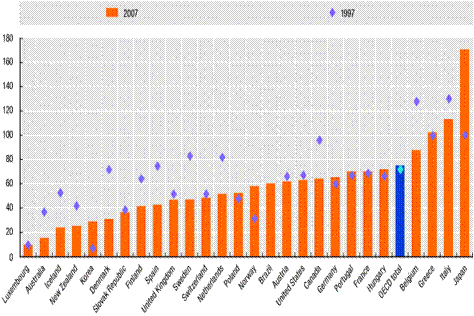
As Europe is roiled by sovereign debt fears, it’s important to realize that the crisis in the largest of the PIIGS (Portugal, Ireland, Italy, Greece, Spain) has nothing to do with fiscal irresponsibility. On the eve of the crisis, Spain was running a budget surplus; its debts, as you can see in the figure above, were low relative to GDP.
政府の借金の恐怖によりヨーロッパ世界が慌てふためいているので、ポルトガル、アイルランド、イタリア、ギリシャ、スペインの巨大な危機は、無責任な支出の増大とは関係がないことを理解することは重要である。危機の間際に、スペインは財政黒字を出していた。上の図で見られるような負債は、GDPに対して低い水準であった。
So what happened? Spain is an object lesson in the problems of having monetary union without fiscal and labor market integration. First, there was a huge boom in Spain, largely driven by a housing bubble — and financed by capital outflows from Germany. This boom pulled up Spanish wages. Then the bubble burst, leaving Spanish labor overpriced relative to Germany and France, and precipitating a surge in unemployment. It also led to large Spanish budget deficits, mainly because of collapsing revenue but also due to efforts to limit the rise in unemployment.
何が起きたのか?スペインは、財務や労働市場を統合していない通貨圏を抱える問題の試金石である。まず、スペインでは、ドイツからの資本流入からファイナンスされた住宅バブルによって凄いブームがった。このブームは、スペインの賃金を引き上げた。それから、バブルが弾けて、スペインの労働賃金は、ドイツやフランスに比べて値段が高いままであったため、失業率の急騰が突然引き起きている。
If Spain had its own currency, this would be a good time to devalue; but it doesn’t.
もしスペインが自国通貨を持っていたのなら、デノミの良い機会であっただろう。
On the other hand, if Spain were like Florida, its problems wouldn’t be as severe. The budget deficit wouldn’t be as large, because social insurance payments would be coming from Brussels, just as Social Security and Medicare come from Washington. And there would be a safety valve for unemployment, as many workers would migrate to regions with better prospects. (Wages wouldn’t have gone up as much in the first place, because of in-migration).
一方、スペインがフロリダのようにであったなら、その問題は深刻なものではなかっただろう。社会保険金は、ブリュッセル(ベルギーの首都)から得られるので(社会セキュリティや医療がワシントンで得られるように)、その財務赤字は巨額ではなかった。多くの労働者がより良い見通しを持って、地域へ移動することで失業に対する安全弁があった。(賃金は、この労働流動性により、バブルの最初の段階ではそれほど急騰はしていなかった。)
The point is that this has nothing to do with a spendthrift government; what’s happening to Spain reflects the inherent problems with the euro, which now more than ever looks like a monetary union too far.
重要なことは、金遣いの荒い政府とは関係がなかった。スペインに起こっていることは、ユーロに関する内在する問題を反映している。現代の通貨圏は、かつてのような通貨圏以上に多くの問題を極端に抱えている。
1228 Renminbi RX
December 28, 2009, 12:16 pm
Renminbi RX
中国人民元(RMB = RenminBi 人民幣) RX = EP*/P
Dean Baker is right: it’s bizarre to report that Chinese officials are (a) worried about inflation and (b) determined not to let their currency appreciate without noting that these are contradictory policies.
このリンク先でのディーン・ベイカーの主張は、正しいよ。中国高官はインフレに怯えて、これらは矛盾した政策以外何物でもないのに人民元切り上げを実施しようとしない。
Consider the real exchange rate, defined as RX = EP*/P, where E is the exchange rate measured as the domestic currency price of foreign currency (so an appreciation of the renminbi is a fall in E), P* is the foreign price level, and P the domestic price level. Basic international macro says that there is a “natural” level of the real exchange rate, determined by trade competitiveness and international capital flows. And the economy “wants” to get to that real exchange rate.
為替レートを考慮すると、RX = EP*/Pと定義される。
Eは、国内通貨の海外通貨での価値(人民元の切り上げは、Eの下落になる)
P*は、外国の物価水準
Pは、国内の物価水準
基本的な国際マクロ経済学では、実質為替レートには、市場競争力や国際的な資本の流れによって、適切な水準がある。 経済は、実質為替レートに近づこうとする。
If you have a floating exchange rate, you get there via a rise or fall in E. But if you have a pegged rate, there’s pressure on prices instead. By deliberately keeping E higher than it would be under floating, China is creating pressures for P to rise; the inflationary pressures are directly related to the exchange rate policy.
変動為替相場を採用しているのであれば、E(国内通貨の海外通貨での価値)の上下によって価格が形成される。しかし、固定為替相場であるなら、故意にEを高くすることによって価格に圧力を与えることになる。中国では、P(国内の物価水準)が上がるのを抑えるために価格形成をしている。 つまり、インフレ圧力は、直接為替政策に関係している。
This isn’t a new story. The proximate cause of the breakup ofBretton Woods [actually not quite: it was the Smithsonian Agreement, the short-lived successor to Bretton Woods, that broke up and ushered in floating rates] was the fact that Germany, whose currency was pegged to the dollar, found itself facing inflationary pressures; the Germans solved that problem by letting the Deutsche mark float, and the rest is history.
過去にも事例がある。最も最近の例では、ブレトンウッズ体制の崩壊を引き起こしている。
(正確には、そうではない。崩壊したのは、ブレトンウッズの後継である短命であったスミソニアン協定であり、このことが、変動為替の先駆けとなった。)ドイツの通貨はドルに固定していた。そのことがインフレ圧力となっていることが分かっていた。 ドイツは、その問題は、ドイツマルクを変動制にすることで解決した。その後のことは周知の通り。
Oh, and right now Spain faces deflationary pressure because it can’t devalue, yet the economy wants a depreciated real exchange rate.
今まさにスペインがデフレ圧力に直面している。なぜなら、スペインは通貨の切り下げをできないが、経済は実質為替レートを下げることを求めている。
So China is basically trying to keep water from flowing downhill. And it really needs to stop.
したがって、中国は基本的に坂を流れる水を止めようとしている。 本当に止めるべきだ。
輸出大国である中国の人民元が、不当に低い水準にあることは、クルーグマンは昔からお怒り。
Renminbi RX
中国人民元(RMB = RenminBi 人民幣) RX = EP*/P
Dean Baker is right: it’s bizarre to report that Chinese officials are (a) worried about inflation and (b) determined not to let their currency appreciate without noting that these are contradictory policies.
このリンク先でのディーン・ベイカーの主張は、正しいよ。中国高官はインフレに怯えて、これらは矛盾した政策以外何物でもないのに人民元切り上げを実施しようとしない。
Consider the real exchange rate, defined as RX = EP*/P, where E is the exchange rate measured as the domestic currency price of foreign currency (so an appreciation of the renminbi is a fall in E), P* is the foreign price level, and P the domestic price level. Basic international macro says that there is a “natural” level of the real exchange rate, determined by trade competitiveness and international capital flows. And the economy “wants” to get to that real exchange rate.
為替レートを考慮すると、RX = EP*/Pと定義される。
Eは、国内通貨の海外通貨での価値(人民元の切り上げは、Eの下落になる)
P*は、外国の物価水準
Pは、国内の物価水準
基本的な国際マクロ経済学では、実質為替レートには、市場競争力や国際的な資本の流れによって、適切な水準がある。 経済は、実質為替レートに近づこうとする。
If you have a floating exchange rate, you get there via a rise or fall in E. But if you have a pegged rate, there’s pressure on prices instead. By deliberately keeping E higher than it would be under floating, China is creating pressures for P to rise; the inflationary pressures are directly related to the exchange rate policy.
変動為替相場を採用しているのであれば、E(国内通貨の海外通貨での価値)の上下によって価格が形成される。しかし、固定為替相場であるなら、故意にEを高くすることによって価格に圧力を与えることになる。中国では、P(国内の物価水準)が上がるのを抑えるために価格形成をしている。 つまり、インフレ圧力は、直接為替政策に関係している。
This isn’t a new story. The proximate cause of the breakup of
過去にも事例がある。最も最近の例では、ブレトンウッズ体制の崩壊を引き起こしている。
(正確には、そうではない。崩壊したのは、ブレトンウッズの後継である短命であったスミソニアン協定であり、このことが、変動為替の先駆けとなった。)ドイツの通貨はドルに固定していた。そのことがインフレ圧力となっていることが分かっていた。 ドイツは、その問題は、ドイツマルクを変動制にすることで解決した。その後のことは周知の通り。
Oh, and right now Spain faces deflationary pressure because it can’t devalue, yet the economy wants a depreciated real exchange rate.
今まさにスペインがデフレ圧力に直面している。なぜなら、スペインは通貨の切り下げをできないが、経済は実質為替レートを下げることを求めている。
So China is basically trying to keep water from flowing downhill. And it really needs to stop.
したがって、中国は基本的に坂を流れる水を止めようとしている。 本当に止めるべきだ。
輸出大国である中国の人民元が、不当に低い水準にあることは、クルーグマンは昔からお怒り。
1218 Spain versus Florida
December 18, 2009, 10:27 am
Spain versus Florida
スペイン vs フロリダ
Hey, this discussion of wages and employment is turning into a sort of Chatauqua on macroeconomics! So, another entry.
この賃金と雇用に関する議論は、マクロ経済学におけるシャトーカ(勉強会)のようなものだ。なので、別の投稿!
In response to my post on Spain, and why it’s different from the United States, some commenters argued that individual US states or regions are in the same situation as Spain (or Ireland), so there really isn’t any difference.Shouldn’t Florida have its own currency? (I propose naming it the stucco).
スペインに関する私の記事に対して、アメリカの各州や地域は、スペインやアイルランドと同じ状況にあるのではないか?という主張があった。
Well, not quite. First of all, beware the fallacy of composition: any one US state could gain jobs by cutting wages, but if all of them do it, it’s a wash. But second, we have a different way to adjust to regional shocks: migration.
うーん、まだ甘いね。まず、(論理学における)合成の誤謬である。賃金をカットすることで、アメリカのどこか1つの州は職を増やすことができるが、これを他の州もやったら意味がない。
次に、我々は地域での衝撃を調整する別の手段も持ち合わせている。どっかに移っちゃうことだ。
Actually, during the runup to the creation of the euro there was a very interesting academic literature comparing and contrasting the North American Monetary Union, also known as the United States, and the potential eurozone. Here’s one example.
事実、ユーロ圏の構築段階において、北米通貨圏(別名アメリカ)を将来のユーロ圏として比較している興味深い学術的論文も存在していた。これは、1つの例であるが。
Probably the most important contribution came from Blanchard and Katz, who showed that in the United States workers move fairly expeditiously from high- to low-unemployment states. As a result, a state hit by an adverse shock tends to return to the average national unemployment rate within about 6 years, even if it never regains the lost jobs.
おそらく、ブランチャードとカッツが進言をした最も重要なことは、アメリカの労働者はかなり迅速に高失業率の州から低失業率の州に移動しているということだ。結果として、失われた雇用が2度と戻ることがなくても、不運にも衝撃を受けた州であっても、およそ6年以内にアメリカ全体の平均失業率になる傾向が強い。
Europe isn’t like that. The Single European Act offers freedom of movement, but the lack of a common language still poses major barriers, and proposals for a single language don’t seem to be making progress.
ヨーロッパは、そうではない。単一欧州議定書では移動の自由を求めているが、共通言語が存在しないことが大きな障害となっている。まして、統一言語の提言は、進んでいないようだ。
Now, the housing bust has produced some European-style immobility even within the US. But there’s still a world of difference. So Florida isn’t Spain.
現在、アメリカ国内でも住宅価格の崩壊により、定住のヨーロッパスタイルが出てきている。
ただ、まだまだ違う世界だよ。フロリダとスペインは同じじゃないよ。
Spain versus Florida
スペイン vs フロリダ
Hey, this discussion of wages and employment is turning into a sort of Chatauqua on macroeconomics! So, another entry.
この賃金と雇用に関する議論は、マクロ経済学におけるシャトーカ(勉強会)のようなものだ。なので、別の投稿!
In response to my post on Spain, and why it’s different from the United States, some commenters argued that individual US states or regions are in the same situation as Spain (or Ireland), so there really isn’t any difference.Shouldn’t Florida have its own currency? (I propose naming it the stucco).
スペインに関する私の記事に対して、アメリカの各州や地域は、スペインやアイルランドと同じ状況にあるのではないか?という主張があった。
Well, not quite. First of all, beware the fallacy of composition: any one US state could gain jobs by cutting wages, but if all of them do it, it’s a wash. But second, we have a different way to adjust to regional shocks: migration.
うーん、まだ甘いね。まず、(論理学における)合成の誤謬である。賃金をカットすることで、アメリカのどこか1つの州は職を増やすことができるが、これを他の州もやったら意味がない。
次に、我々は地域での衝撃を調整する別の手段も持ち合わせている。どっかに移っちゃうことだ。
Actually, during the runup to the creation of the euro there was a very interesting academic literature comparing and contrasting the North American Monetary Union, also known as the United States, and the potential eurozone. Here’s one example.
事実、ユーロ圏の構築段階において、北米通貨圏(別名アメリカ)を将来のユーロ圏として比較している興味深い学術的論文も存在していた。これは、1つの例であるが。
Probably the most important contribution came from Blanchard and Katz, who showed that in the United States workers move fairly expeditiously from high- to low-unemployment states. As a result, a state hit by an adverse shock tends to return to the average national unemployment rate within about 6 years, even if it never regains the lost jobs.
おそらく、ブランチャードとカッツが進言をした最も重要なことは、アメリカの労働者はかなり迅速に高失業率の州から低失業率の州に移動しているということだ。結果として、失われた雇用が2度と戻ることがなくても、不運にも衝撃を受けた州であっても、およそ6年以内にアメリカ全体の平均失業率になる傾向が強い。
Europe isn’t like that. The Single European Act offers freedom of movement, but the lack of a common language still poses major barriers, and proposals for a single language don’t seem to be making progress.
ヨーロッパは、そうではない。単一欧州議定書では移動の自由を求めているが、共通言語が存在しないことが大きな障害となっている。まして、統一言語の提言は、進んでいないようだ。
Now, the housing bust has produced some European-style immobility even within the US. But there’s still a world of difference. So Florida isn’t Spain.
現在、アメリカ国内でも住宅価格の崩壊により、定住のヨーロッパスタイルが出てきている。
ただ、まだまだ違う世界だよ。フロリダとスペインは同じじゃないよ。
登録:
投稿 (Atom)